

How Can Office Furniture Impact Employee Productivity?
The work environment plays a key part in determining employee performance and satisfaction. Among the many factors that influence workplace efficiency,office furniture stands out as a key contributor. Well-designed furniture not only guarantees comfort but also supports better organization, focus, and overall well-being. On the other hand, outdated or poorly chosen furniture can lead to discomfort, fatigue, and reduced productivity.

The Connection Between Comfort and Efficiency
Comfortable furniture directly affects how employees perform their tasks. When employees sit for long hours on uncomfortable chairs or work at poorly designed desks, they are likely to experience fatigue and body strain. This can lead to frequent breaks and a lack of concentration. Ergonomic furniture minimizes discomfort and encourages proper posture, leading to improved energy levels and efficiency.
Ergonomics: A Key Factor
Ergonomics focuses on designing furniture that aligns with the natural posture of the human body. Ergonomic office chairs, height-adjustable desks, and supportive armrests help reduce strain on the neck, back, and shoulders. This not only decreases the risk of workplace injuries but also improves employee morale. Employees who feel physically comfortable are more likely to stay focused and deliver quality work.
1. Impact of Organized Workspaces
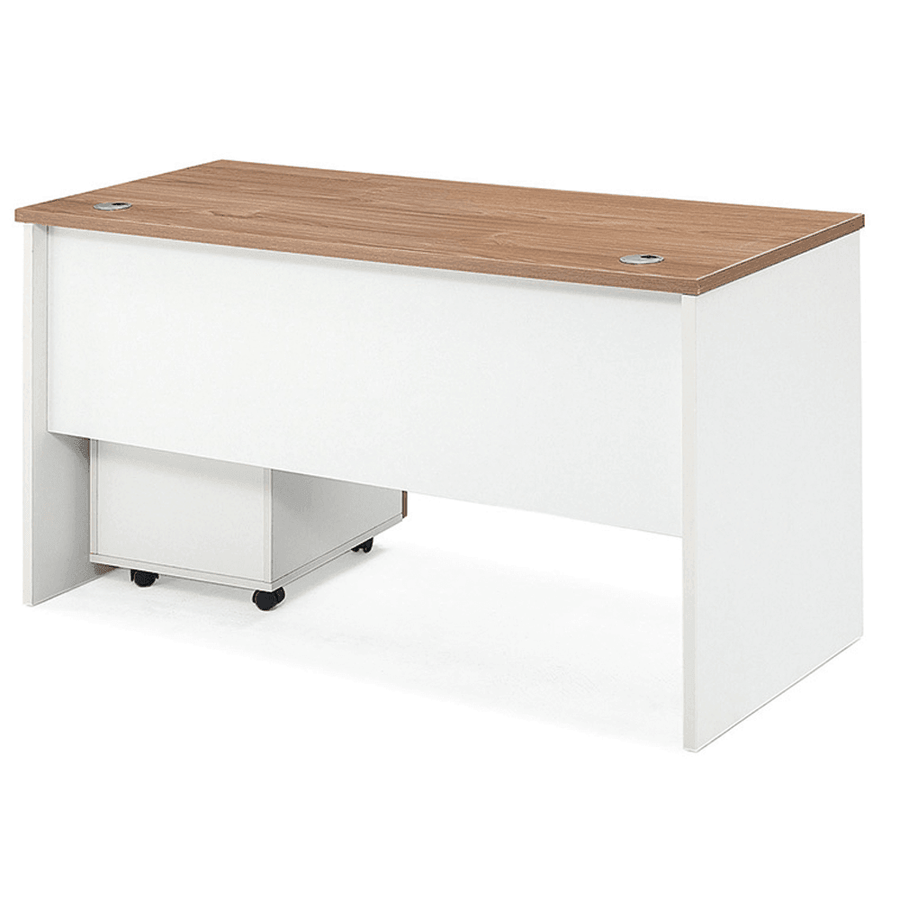
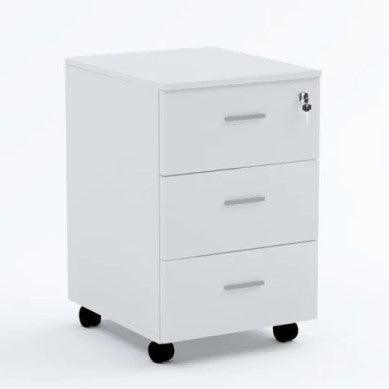
Cluttered desks and poorly planned storage solutions can lead to wasted time and decreased productivity. Furniture that includes storage options like file cabinets, credenzas, or mobile pedestals helps employees keep their workspace tidy and organized. A clean and clutter-free workspace creates a positive environment and allows employees to focus on important tasks instead of looking for misplaced items.
2. Aesthetic Appeal and Motivation
The design & style of furniture can also affect the mood and motivation of employees. Modern, aesthetically pleasing furniture can create a welcoming and inspiring workspace. When employees work in an environment that looks professional and well-maintained, they are more likely to feel motivated and take pride in their work.
3. Collaboration and Teamwork
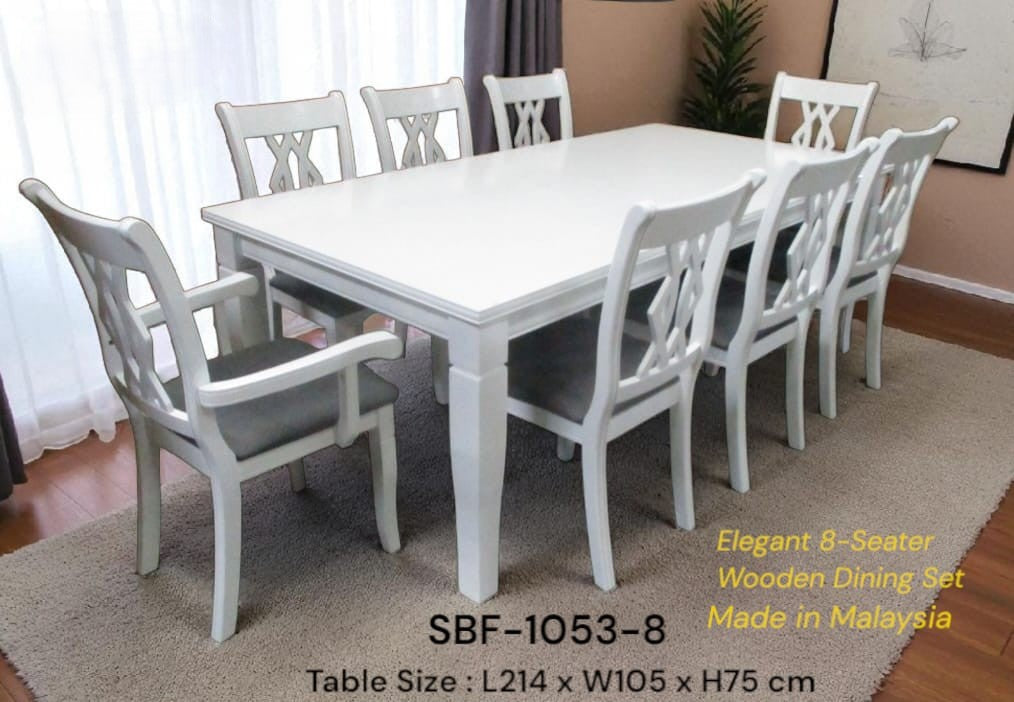
Furniture arrangements, such as open workstations, modular desks, and collaborative meeting tables, can encourage teamwork and communication. A well-designed office layout with suitable furniture helps employees engage with each other easily, fostering creativity and problem-solving. Comfortable meeting rooms with ergonomic chairs and functional tables ensure productive discussions without unnecessary distractions.
4. Flexibility and Adaptability
Modern workplaces require flexible furniture that can adapt to various tasks. Adjustable desks, mobile storage units, and multi-functional chairs let employees to modify their workspace according to their needs. This flexibility guarantees that employees can work comfortably, whether they are collaborating in teams or focusing on individual tasks.
5. Reducing Health Issues
Prolonged sitting on unsupportive chairs can lead to chronic pain, poor posture, and other health concerns. High-quality furniture reduces these risks by offering proper body alignment and comfort. When employees feel healthier and more comfortable, absenteeism decreases, and productivity naturally increases.
6. Boosting Employee Focus
Uncomfortable or poorly designed furniture can cause frequent distractions due to discomfort. Ergonomically designed chairs and desks help employees remain focused on their tasks for longer periods without unnecessary breaks, ultimately increasing productivity.
7. Enhancing Workplace Morale
When employees feel that their comfort & health are valued through the provision of high-quality furniture, it improves their job satisfaction and morale. A positive attitude toward the workplace directly translates into better performance and teamwork.
8. Efficient Space Management
Compact and well-designed furniture ensures that workspaces remain functional without feeling crowded. Multi-purpose furniture items, can save space while providing employees with everything they need for an efficient workflow.
Tips for Choosing the Right Furniture
-
Prioritize Ergonomics: Look for chairs and desks that promote healthy posture.
-
Invest in Quality: Durable furniture ensures long-term benefits and saves replacement costs.
-
Focus on Storage: Include cabinets and pedestals to reduce clutter.
-
Consider Aesthetics: Choose designs and colors that match your office’s theme.
-
Opt for Flexibility: Select adjustable and modular furniture for evolving office needs.

In Conclusion
Office furniture is more than just a workplace necessity—it’s a critical factor that shapes employee productivity, comfort, and satisfaction. From ergonomic designs to organized storage and modern aesthetics, the right furniture can significantly enhance performance while creating a positive work atmosphere.
For premium-quality furniture that blends style, comfort, and functionality, explore Classic Furniture exclusive collection—crafted to elevate both productivity and workplace design.